

Hey there! As a supplier of Mixed Acid Filters, I've had my fair share of experiences and insights into how different factors can impact the performance of these essential pieces of equipment. One factor that often comes up in discussions with customers is the flow rate. So, let's dive right in and explore how the flow rate affects the performance of a Mixed Acid Filter.
Understanding Flow Rate
First things first, let's clarify what we mean by flow rate. In simple terms, the flow rate is the volume of fluid that passes through the filter per unit of time. It's usually measured in liters per minute (LPM) or gallons per minute (GPM). The flow rate can have a significant impact on how well the filter does its job, and it's crucial to get it right for optimal performance.
Impact on Filtration Efficiency
One of the most important aspects of a Mixed Acid Filter is its ability to remove contaminants from the fluid. The flow rate plays a big role in this. When the flow rate is too low, the fluid has more time to interact with the filter media. This can lead to better filtration efficiency as the contaminants have a higher chance of being trapped by the filter. However, if the flow rate is extremely low, it can also cause other issues. For example, the filter may become overloaded with contaminants over time, leading to a decrease in performance and potentially even clogging.
On the other hand, when the flow rate is too high, the fluid rushes through the filter too quickly. This means that the contaminants may not have enough time to be captured by the filter media. As a result, the filtration efficiency can drop significantly, and more contaminants may pass through the filter and into the downstream system. This can cause damage to other equipment and affect the quality of the end product.
So, finding the right balance is key. We need to ensure that the flow rate is high enough to meet the production requirements but not so high that it compromises the filtration efficiency.
Pressure Drop
Another important factor affected by the flow rate is the pressure drop across the filter. Pressure drop is the difference in pressure between the inlet and the outlet of the filter. As the flow rate increases, the pressure drop across the filter also tends to increase. This is because the fluid has to overcome more resistance as it passes through the filter media at a higher speed.
A high pressure drop can be a problem for several reasons. Firstly, it can increase the energy consumption of the system. The pump has to work harder to maintain the desired flow rate against the higher pressure drop, which can lead to higher operating costs. Secondly, if the pressure drop becomes too high, it can cause damage to the filter itself or other components in the system. For example, it can cause the filter media to rupture or the housing to fail.
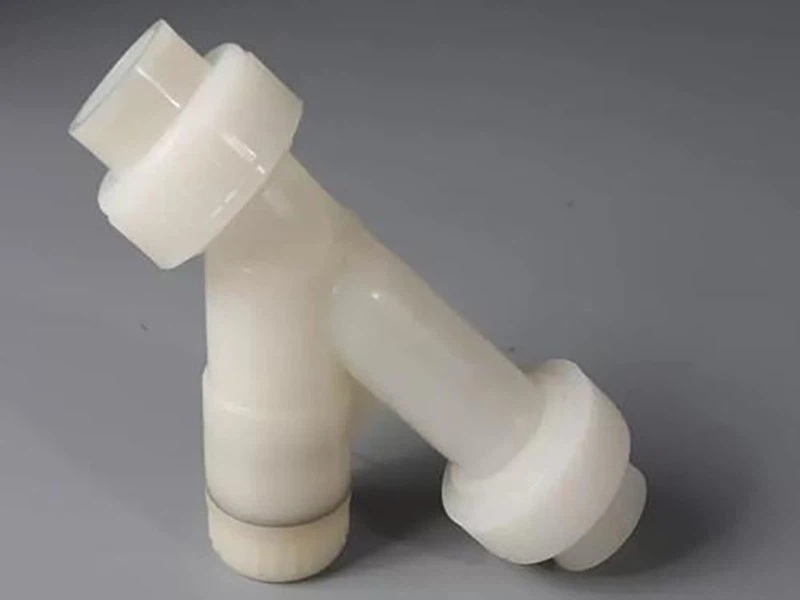

To manage the pressure drop, it's important to select a filter that is designed to handle the expected flow rate. Some filters are specifically designed to have a low pressure drop even at high flow rates. For example, our PPH Filter is engineered to provide efficient filtration with a minimal pressure drop, making it suitable for applications with high flow requirements.
Filter Lifespan
The flow rate also has an impact on the lifespan of the filter. When the flow rate is too high, the filter is subjected to more stress and wear. The high - speed flow of fluid can cause the filter media to degrade more quickly, reducing its ability to capture contaminants effectively. This can lead to a shorter filter lifespan, which means more frequent filter replacements.
On the other hand, a moderate and appropriate flow rate can help extend the filter lifespan. The filter media can operate within its designed parameters, and the contaminants are captured at a rate that the filter can handle. This reduces the likelihood of premature clogging and damage to the filter. For instance, our Y Shaped Filter is built to withstand a wide range of flow rates, and when used at the recommended flow rate, it can provide a long and reliable service life.
Chemical Compatibility and Flow Rate
In a mixed acid environment, chemical compatibility is crucial. The flow rate can also influence how well the filter materials hold up against the corrosive nature of the acids. At high flow rates, the acids may come into contact with the filter media more aggressively. This can increase the rate of chemical reactions between the acids and the filter materials, potentially leading to faster degradation of the filter.
For example, if the filter material is not fully compatible with the acids at high flow rates, it may start to dissolve or break down. This can not only reduce the filtration performance but also introduce additional contaminants into the system. That's why we offer Acid Recirculation Filter that are specifically designed to be chemically resistant and can handle different flow rates in mixed acid applications.
Selecting the Right Filter for the Flow Rate
As a supplier, we understand the importance of helping our customers select the right filter for their specific flow rate requirements. When a customer comes to us, we first need to understand their application, including the type of fluid, the expected flow rate, and the level of filtration required.
We then recommend filters based on our experience and the technical specifications of our products. For low - flow applications, we may suggest a filter with a finer filter media to ensure high filtration efficiency. For high - flow applications, we offer filters that are designed to handle the increased pressure and flow while maintaining good filtration performance.
Conclusion
In conclusion, the flow rate has a profound impact on the performance of a Mixed Acid Filter. It affects filtration efficiency, pressure drop, filter lifespan, and chemical compatibility. As a supplier, we are committed to providing our customers with the best solutions for their flow rate needs. Whether you need a filter for a low - flow or high - flow application, we have the expertise and the products to meet your requirements.
If you're in the market for a Mixed Acid Filter and want to discuss your specific flow rate and application needs, don't hesitate to reach out. We're here to help you make the right choice and ensure that your filtration system operates at its best.
References
- "Filtration Handbook" by Christopher D. Dickenson
- "Chemical Engineering Principles" by McCabe, Smith, and Harriott