

As a supplier of PPH Fans, I often encounter inquiries about the static pressure of PPH Fans. Static pressure is a crucial parameter in the performance of a fan, and understanding it is essential for both the selection and operation of PPH Fans. In this blog, I will delve into what static pressure is, its significance in PPH Fans, and how it affects the overall performance of these fans.
What is Static Pressure?
Static pressure is the pressure exerted by a fluid (in this case, air) at rest. In the context of a PPH Fan, static pressure represents the resistance that the fan must overcome to move air through a system. It is measured in units of pressure, typically Pascals (Pa), inches of water column (in. WC), or millimeters of water column (mm WC).
When a PPH Fan operates, it creates a pressure difference between the inlet and the outlet. The static pressure is the pressure difference that the fan can generate to push air through ducts, filters, and other components in a ventilation or air - handling system. It is different from dynamic pressure, which is associated with the motion of the air. Dynamic pressure is related to the velocity of the air, while static pressure is about the force required to move the air against resistance.
Significance of Static Pressure in PPH Fans
System Resistance
In any ventilation or air - handling system, there are various sources of resistance. These include ductwork, bends, elbows, filters, and dampers. The static pressure of a PPH Fan must be sufficient to overcome this resistance to ensure proper air circulation. If the static pressure is too low, the fan will not be able to push air through the system effectively, resulting in poor ventilation and reduced air quality.
For example, in an industrial environment where there are long duct runs and multiple filters, a PPH Fan with a high static pressure rating is required. The fan needs to generate enough pressure to force the air through the ducts and filters, maintaining a consistent airflow.
Airflow Control
Static pressure also plays a crucial role in controlling the airflow in a system. By adjusting the static pressure, we can regulate the amount of air that is delivered to different parts of the system. This is particularly important in applications where precise control of airflow is required, such as in cleanrooms or laboratories.
A PPH Fan with variable static pressure capabilities can be adjusted to meet the specific requirements of the system. This allows for better energy efficiency and more effective operation.
Factors Affecting the Static Pressure of PPH Fans
Fan Design
The design of the PPH Fan has a significant impact on its static pressure capabilities. Fans with larger impellers and higher blade angles generally have higher static pressure ratings. The shape and size of the fan housing also affect the static pressure. A well - designed housing can help to direct the airflow and increase the static pressure.
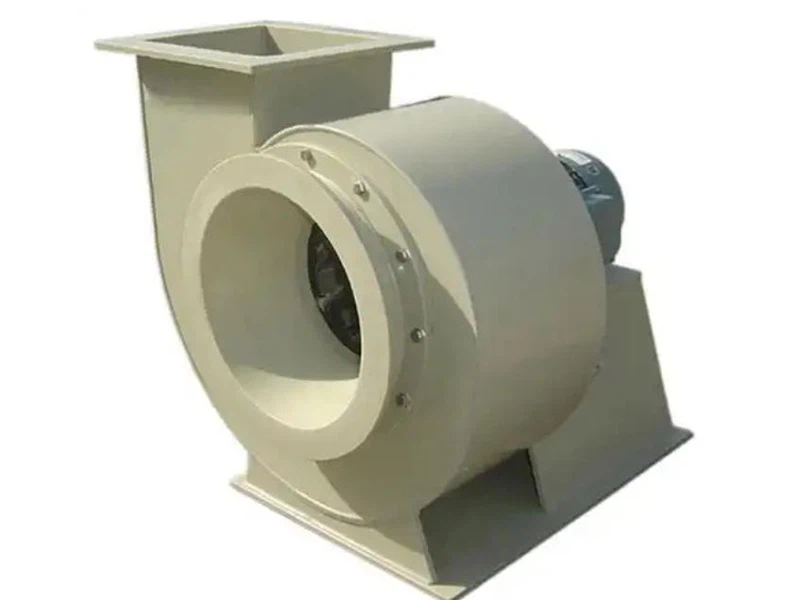

For instance, a PPH Anti - corrosion Fan is designed with specific features to enhance its static pressure performance. The anti - corrosion materials used in its construction not only protect the fan from chemical damage but also contribute to its overall efficiency in generating static pressure.
Rotational Speed
The rotational speed of the PPH Fan is directly related to its static pressure. As the speed of the fan increases, the static pressure also increases. However, there is a limit to how much the speed can be increased, as higher speeds can lead to increased noise levels and energy consumption.
Manufacturers often provide performance curves for their PPH Fans, which show the relationship between the rotational speed, static pressure, and airflow. These curves can be used to select the appropriate fan for a specific application.
System Configuration
The configuration of the ventilation or air - handling system also affects the static pressure of the PPH Fan. The length and diameter of the ducts, the number of bends and elbows, and the type of filters used all contribute to the system resistance. A system with a high resistance will require a PPH Fan with a higher static pressure rating.
For example, a system with a long and narrow duct will have a higher resistance compared to a system with a short and wide duct. In such cases, a PP Centrifugal Fan with a high static pressure may be more suitable.
Measuring Static Pressure
Measuring the static pressure of a PPH Fan is an important step in evaluating its performance. There are several methods for measuring static pressure, including using a manometer. A manometer is a device that measures the pressure difference between two points in a system.
To measure the static pressure of a PPH Fan, the manometer is connected to the inlet and outlet of the fan. The pressure difference between the two points is then recorded. This measurement can be used to determine if the fan is operating within its specified static pressure range.
Selecting the Right PPH Fan Based on Static Pressure
When selecting a PPH Fan, it is crucial to consider the static pressure requirements of the system. The first step is to calculate the total system resistance. This involves considering all the components in the system, such as ducts, filters, and dampers.
Once the system resistance is determined, a PPH Fan with a static pressure rating that is equal to or greater than the system resistance should be selected. It is also important to consider other factors such as airflow requirements, noise levels, and energy efficiency.
Our company offers a wide range of PPH Fans with different static pressure ratings to meet the diverse needs of our customers. Whether you need a fan for a small ventilation system or a large industrial application, we can provide the right solution.
Conclusion
Static pressure is a critical parameter in the performance of PPH Fans. It determines the ability of the fan to overcome system resistance and deliver the required airflow. Understanding static pressure and its significance is essential for selecting the right PPH Fan for your application.
If you are in the market for a PPH Fan and need assistance in selecting the right one based on static pressure and other requirements, please feel free to contact us. Our team of experts is ready to help you make an informed decision and ensure that you get the best - performing PPH Fan for your needs.
References
- ASHRAE Handbook of Fundamentals. American Society of Heating, Refrigerating and Air - Conditioning Engineers.
- Fan Engineering: A Practical Guide. Buffalo Forge Company.