

In the realm of fluid filtration, the Y shaped filter stands out as a versatile and widely used component. As a prominent Y Shaped Filter supplier, I've witnessed firsthand the critical role that the filtration area plays in determining the performance of these filters. This blog post aims to delve into the intricate relationship between the filtration area and the performance of Y shaped filters, offering insights that can help you make informed decisions when selecting the right filter for your specific needs.
Understanding the Basics of Y Shaped Filters
Before we explore the impact of the filtration area, let's briefly review the fundamentals of Y shaped filters. These filters are named for their distinctive Y-shaped design, which consists of an inlet, an outlet, and a filtration element housed within the body of the filter. The filtration element is typically made of a mesh or screen that traps solid particles as the fluid passes through the filter. Y shaped filters are commonly used in a variety of industries, including oil and gas, chemical processing, water treatment, and food and beverage, to remove impurities and protect downstream equipment from damage.
The Significance of Filtration Area
The filtration area refers to the total surface area of the filtration element that is available for fluid to pass through. It is a crucial factor in determining the performance of a Y shaped filter, as it directly affects the filter's capacity, efficiency, and pressure drop. A larger filtration area generally means that the filter can handle a higher flow rate of fluid and trap more particles before it becomes clogged. This, in turn, leads to longer service intervals and reduced maintenance costs.
Impact on Filter Capacity
One of the primary ways in which the filtration area affects the performance of a Y shaped filter is by influencing its capacity. The capacity of a filter is defined as the maximum amount of particulate matter that it can collect before it needs to be cleaned or replaced. A filter with a larger filtration area has a greater capacity to hold particles, as there is more surface area available for the particles to adhere to. This means that the filter can operate for a longer period of time without becoming clogged, reducing the frequency of maintenance and replacement.
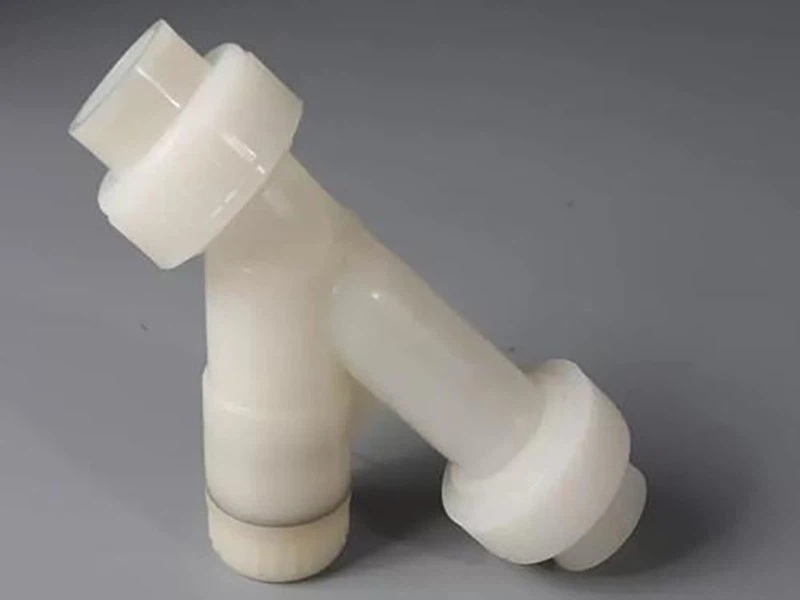

For example, consider two Y shaped filters with the same dimensions and filtration rating, but different filtration areas. Filter A has a filtration area of 100 square inches, while Filter B has a filtration area of 200 square inches. Assuming that both filters are exposed to the same flow rate and particle concentration, Filter B will be able to collect twice as many particles as Filter A before it becomes clogged. This means that Filter B will have a longer service life and require less frequent maintenance, resulting in cost savings over time.
Impact on Filter Efficiency
In addition to its impact on capacity, the filtration area also affects the efficiency of a Y shaped filter. Efficiency is defined as the percentage of particles that are removed from the fluid as it passes through the filter. A filter with a larger filtration area generally has a higher efficiency, as there is more surface area available for the particles to come into contact with the filtration element. This increases the likelihood that the particles will be trapped and removed from the fluid.
For instance, let's say we have two Y shaped filters with the same filtration rating, but different filtration areas. Filter C has a filtration area of 150 square inches, while Filter D has a filtration area of 250 square inches. When both filters are exposed to the same flow rate and particle concentration, Filter D will have a higher efficiency than Filter C. This is because the larger filtration area of Filter D provides more opportunities for the particles to be captured by the filtration element, resulting in a greater percentage of particles being removed from the fluid.
Impact on Pressure Drop
Another important aspect of filter performance is the pressure drop across the filter. Pressure drop is defined as the difference in pressure between the inlet and outlet of the filter. A higher pressure drop indicates that the filter is experiencing more resistance to the flow of fluid, which can lead to reduced flow rates and increased energy consumption. The filtration area plays a significant role in determining the pressure drop across a Y shaped filter.
A filter with a larger filtration area generally has a lower pressure drop, as there is more surface area available for the fluid to pass through. This reduces the resistance to the flow of fluid and allows the filter to operate more efficiently. Conversely, a filter with a smaller filtration area will have a higher pressure drop, as the fluid has to pass through a smaller surface area, resulting in increased resistance.
For example, consider two Y shaped filters with the same dimensions and filtration rating, but different filtration areas. Filter E has a filtration area of 80 square inches, while Filter F has a filtration area of 160 square inches. When both filters are exposed to the same flow rate, Filter F will have a lower pressure drop than Filter E. This is because the larger filtration area of Filter F allows the fluid to pass through more easily, reducing the resistance and pressure drop.
Considerations for Selecting the Right Filtration Area
When selecting a Y shaped filter, it is important to consider the specific requirements of your application. The filtration area you choose will depend on a variety of factors, including the flow rate of the fluid, the particle size and concentration, and the desired level of filtration efficiency. Here are some key considerations to keep in mind:
- Flow Rate: The flow rate of the fluid is one of the most important factors to consider when selecting a filtration area. A filter with a larger filtration area is generally able to handle a higher flow rate without experiencing a significant pressure drop. If you have a high flow rate application, it is recommended to choose a filter with a larger filtration area to ensure optimal performance.
- Particle Size and Concentration: The size and concentration of the particles in the fluid also play a role in determining the appropriate filtration area. If the particles are large and the concentration is high, a filter with a larger filtration area may be necessary to prevent clogging. On the other hand, if the particles are small and the concentration is low, a filter with a smaller filtration area may be sufficient.
- Filtration Efficiency: The desired level of filtration efficiency is another important consideration. If you require a high level of filtration, a filter with a larger filtration area may be necessary to ensure that a greater percentage of particles are removed from the fluid. However, if you only need a basic level of filtration, a filter with a smaller filtration area may be adequate.
Conclusion
In conclusion, the filtration area is a critical factor in determining the performance of a Y shaped filter. A larger filtration area generally leads to higher capacity, greater efficiency, and lower pressure drop, resulting in longer service intervals and reduced maintenance costs. When selecting a Y shaped filter, it is important to consider the specific requirements of your application and choose a filtration area that is appropriate for your needs.
As a leading Y Shaped Filter supplier, we offer a wide range of Y shaped filters with different filtration areas to meet the diverse needs of our customers. Our filters are designed to provide reliable and efficient filtration, ensuring the protection of your downstream equipment and the quality of your process fluids. If you have any questions or need assistance in selecting the right Y shaped filter for your application, please don't hesitate to contact us. We look forward to working with you to find the best filtration solution for your needs.
References
- "Filtration Basics," Filtration + Separation, [Publication Date]
- "Y Shaped Filters: Design and Applications," Process Engineering, [Publication Date]
- "The Impact of Filtration Area on Filter Performance," Journal of Filtration Science and Technology, [Publication Date]