

As a PVDF pipe cap supplier, ensuring the dimensional stability of PVDF pipe caps is of utmost importance. Dimensional stability directly affects the performance, functionality, and compatibility of the pipe caps in various applications. In this blog, I will share some key strategies and considerations to ensure the dimensional stability of PVDF pipe caps.
Understanding PVDF and Its Properties
PVDF, or polyvinylidene fluoride, is a high-performance thermoplastic polymer known for its excellent chemical resistance, mechanical properties, and thermal stability. These properties make PVDF an ideal material for pipe caps used in harsh chemical environments, such as in the chemical processing, semiconductor, and water treatment industries.
However, PVDF is also subject to dimensional changes due to factors such as temperature, humidity, and stress. These changes can lead to issues such as leakage, improper fit, and reduced performance of the pipe caps. Therefore, it is crucial to take appropriate measures to ensure the dimensional stability of PVDF pipe caps.
Material Selection and Quality Control
The first step in ensuring the dimensional stability of PVDF pipe caps is to select high-quality PVDF resin. The quality of the resin directly affects the physical and mechanical properties of the pipe caps, including their dimensional stability. When selecting PVDF resin, it is important to consider factors such as melt flow index, molecular weight, and purity.
In addition to selecting high-quality resin, it is also important to implement strict quality control measures during the manufacturing process. This includes monitoring the temperature, pressure, and cooling rate during extrusion and injection molding to ensure consistent and accurate dimensions. Regular quality inspections should also be conducted to detect any dimensional variations or defects.
Design Considerations
The design of PVDF pipe caps also plays a crucial role in ensuring their dimensional stability. The following design considerations should be taken into account:
- Wall Thickness: The wall thickness of the pipe caps should be uniform to ensure consistent strength and dimensional stability. Uneven wall thickness can lead to stress concentrations and dimensional changes.
- Ribs and Reinforcements: Adding ribs and reinforcements to the pipe caps can improve their structural integrity and dimensional stability. These features can help distribute stress and prevent deformation.
- Thread Design: The thread design of the pipe caps should be precise to ensure a proper fit with the pipes. A loose or tight fit can lead to leakage and dimensional instability.
Manufacturing Process Optimization
The manufacturing process of PVDF pipe caps can also affect their dimensional stability. The following process optimization techniques can be used:
- Extrusion: During extrusion, the temperature and pressure should be carefully controlled to ensure consistent melt flow and dimensional accuracy. The cooling rate should also be optimized to prevent warping and shrinkage.
- Injection Molding: Injection molding is a common method for manufacturing PVDF pipe caps. The injection pressure, temperature, and holding time should be optimized to ensure proper filling and packing of the mold. The cooling system should also be designed to ensure uniform cooling and prevent dimensional changes.
- Post-Processing: After manufacturing, the pipe caps may undergo post-processing steps such as annealing or stress relieving. These steps can help reduce internal stress and improve dimensional stability.
Environmental Factors
Environmental factors such as temperature and humidity can also affect the dimensional stability of PVDF pipe caps. The following measures can be taken to minimize the impact of environmental factors:
- Temperature Control: PVDF pipe caps should be stored and used within a specified temperature range. Extreme temperatures can cause the pipe caps to expand or contract, leading to dimensional changes.
- Humidity Control: High humidity can cause PVDF to absorb moisture, which can lead to swelling and dimensional changes. Therefore, it is important to store and use the pipe caps in a dry environment.
Testing and Validation
To ensure the dimensional stability of PVDF pipe caps, it is important to conduct regular testing and validation. The following tests can be performed:
- Dimensional Inspection: Regular dimensional inspections should be conducted to ensure that the pipe caps meet the specified dimensions. This can be done using measuring tools such as calipers and micrometers.
- Pressure Testing: Pressure testing can be used to evaluate the performance and integrity of the pipe caps under pressure. This can help detect any leaks or dimensional changes that may occur under pressure.
- Thermal Cycling Testing: Thermal cycling testing can be used to simulate the effects of temperature changes on the pipe caps. This can help evaluate the dimensional stability of the pipe caps under different temperature conditions.
Conclusion
Ensuring the dimensional stability of PVDF pipe caps is essential for their performance and functionality. By selecting high-quality materials, optimizing the design and manufacturing process, controlling environmental factors, and conducting regular testing and validation, we can ensure that our PVDF pipe caps meet the highest standards of quality and dimensional stability.
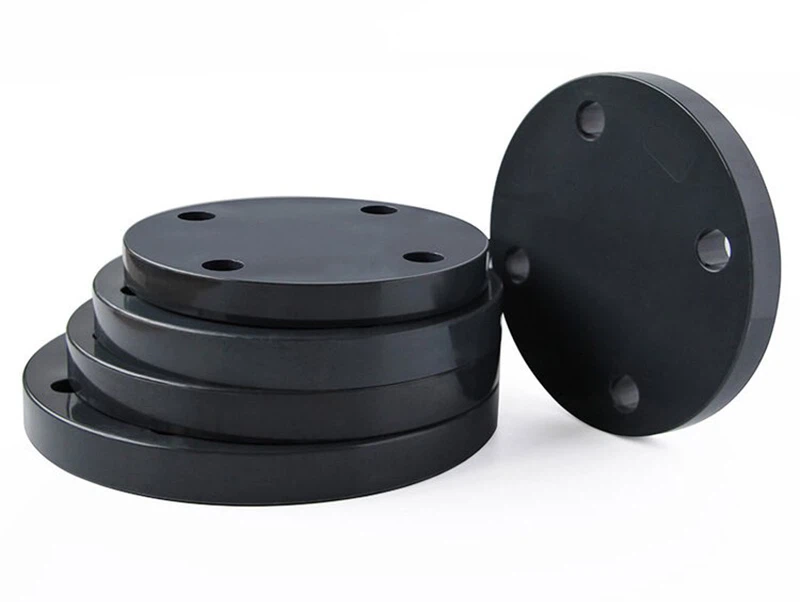

If you are interested in purchasing PVDF pipe caps or other related products such as Plastic Union Joint, Flange Pvdf, or HDPE Blind Plate, please feel free to contact us for more information and to discuss your specific requirements. We look forward to working with you to provide high-quality PVDF pipe caps and other pipe fittings for your applications.
References
- ASTM D4894 - Standard Specification for Poly (Vinylidene Fluoride) (PVDF) Plastic Pipe, Tubing, and Fittings
- ISO 10803 - Plastics - Poly(vinylidene fluoride) (PVDF) moulding and extrusion materials - Specification
- ASME B31.3 - Process Piping