

As a supplier of PPH Separators, I am often asked by customers whether these separators are easy to clean. This is a crucial question as the ease of cleaning directly impacts the efficiency, longevity, and overall cost - effectiveness of the equipment. In this blog post, I will delve into the various aspects of cleaning PPH Separators and share insights based on our experience in the industry.
Understanding PPH Separators
PPH, or Polypropylene - Homopolymer, is a thermoplastic polymer known for its excellent chemical resistance, high - temperature tolerance, and mechanical strength. PPH Separators are widely used in industries such as chemical processing, wastewater treatment, and food and beverage production. They are designed to separate different phases, such as liquid - liquid or liquid - solid, based on the principles of gravity, centrifugal force, or filtration.
There are different types of PPH Separators available in the market, each with its own unique design and function. For instance, the Mist Droplet Separator is used to remove mist and droplets from gas streams, the Anti - corrosion Droplet Separator is specifically engineered to resist corrosion in harsh chemical environments, and the Alkali Mist Purification System Separator is tailored for purifying alkali mists.
Factors Affecting the Ease of Cleaning
1. Design of the Separator
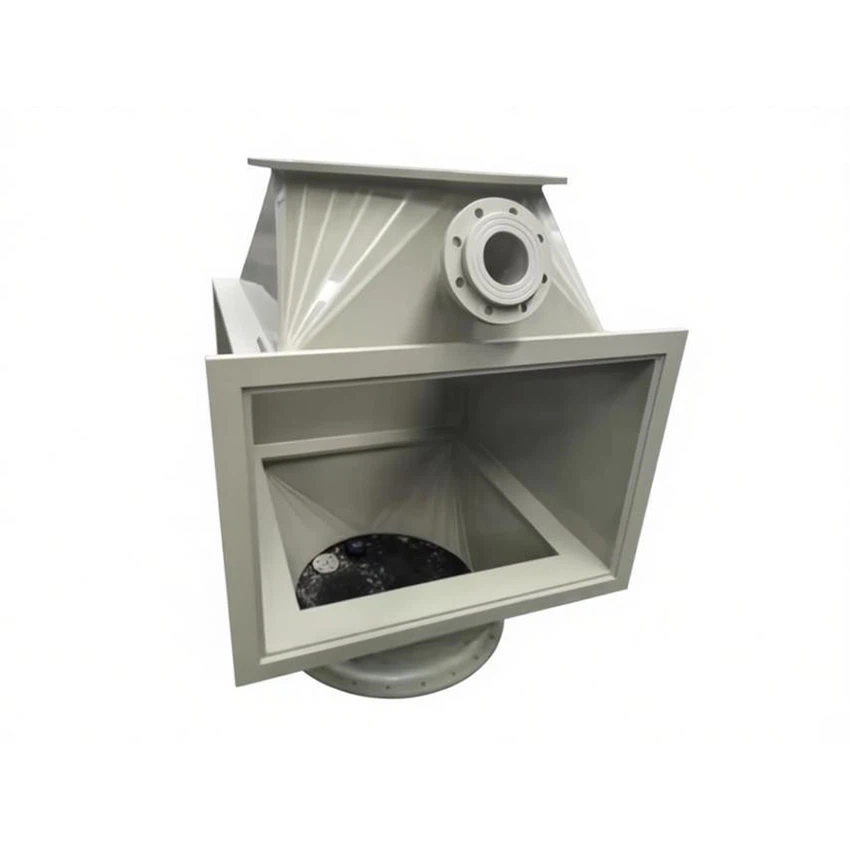
The design of a PPH Separator plays a significant role in its cleanability. Separators with simple and straightforward designs are generally easier to clean. For example, separators with fewer internal components, smooth surfaces, and accessible ports allow for easier access during the cleaning process. In contrast, complex designs with intricate internal structures, narrow channels, or hard - to - reach areas can trap debris and make cleaning difficult.
Our company focuses on designing PPH Separators with cleanability in mind. We minimize the number of internal components and use smooth, rounded surfaces that prevent the accumulation of solids and liquids. Additionally, we ensure that all access points, such as inspection ports and drain valves, are easily reachable, facilitating thorough cleaning.
2. Type of Separated Substances
The nature of the substances being separated also affects the ease of cleaning. If the separator is used to separate relatively clean substances, such as water and oil with low levels of impurities, the cleaning process will be less challenging. However, when dealing with substances that are sticky, viscous, or contain a high concentration of solids, cleaning becomes more difficult.
For example, in the food and beverage industry, PPH Separators may be used to separate fruit pulp from juice. The pulp can be sticky and may adhere to the separator's surfaces, requiring more intensive cleaning methods. In chemical processing, separators that handle highly reactive or corrosive substances may also require special cleaning agents and procedures to ensure complete removal of residues.
3. Frequency of Use
The frequency at which the PPH Separator is used can influence its cleanability. Separators that are used continuously or at high volumes are more likely to accumulate debris and require more frequent cleaning. Regular cleaning can prevent the build - up of stubborn deposits, making the cleaning process easier and more efficient in the long run.
On the other hand, if a separator is used infrequently, it may be easier to clean initially. However, long periods of inactivity can also lead to the drying and hardening of residues, making them more difficult to remove. Therefore, it is important to establish a proper cleaning schedule based on the separator's usage pattern.
Cleaning Methods for PPH Separators
1. Manual Cleaning
Manual cleaning is often the first step in the cleaning process. It involves using simple tools such as brushes, sponges, and scrapers to remove visible debris from the separator's surfaces. This method is suitable for removing loose particles and light deposits.
When performing manual cleaning, it is important to use non - abrasive materials to avoid scratching the PPH surface. Scratches can create areas where debris can accumulate, making future cleaning more difficult. Additionally, manual cleaning should be carried out in a well - ventilated area to prevent the inhalation of any harmful substances.
2. Chemical Cleaning
Chemical cleaning is used to remove more stubborn deposits and contaminants. It involves the use of cleaning agents such as detergents, solvents, or acids. The choice of cleaning agent depends on the type of substances being removed and the compatibility with the PPH material.
For example, mild detergents can be used to clean general dirt and grease, while acids may be required to remove mineral deposits. However, it is crucial to ensure that the chemical cleaning agents do not react with the PPH material, as this can cause damage to the separator. Before using any chemical cleaning agent, it is recommended to conduct a small - scale test on a non - critical area of the separator.
3. High - Pressure Water Cleaning
High - pressure water cleaning is an effective method for removing tough deposits from the separator's surfaces. It uses high - pressure water jets to dislodge and remove debris. This method is particularly useful for cleaning large - scale separators and areas with hard - to - reach deposits.

When using high - pressure water cleaning, it is important to control the pressure to avoid damaging the PPH material. Excessive pressure can cause cracks or deformation in the separator, reducing its performance and lifespan.
Benefits of Easy - to - Clean PPH Separators
1. Reduced Downtime
Easy - to - clean PPH Separators require less time for cleaning and maintenance. This means that the separator can be back in operation more quickly, reducing downtime and increasing productivity. In industries where continuous production is crucial, such as chemical manufacturing, minimizing downtime is essential for meeting production targets.
2. Lower Maintenance Costs
The ease of cleaning also reduces the cost of maintenance. With fewer cleaning requirements and less need for specialized cleaning equipment or chemicals, the overall maintenance cost of the separator is lower. Additionally, easy - to - clean separators are less likely to experience damage during the cleaning process, further reducing maintenance costs.
3. Improved Product Quality
Regular and effective cleaning of PPH Separators ensures that the separated substances are of high quality. By removing contaminants and residues, the separator can operate at its optimal level, producing cleaner and more consistent products. This is particularly important in industries such as the pharmaceutical and food industries, where product quality is of utmost importance.
Conclusion
In conclusion, whether PPH Separators are easy to clean depends on several factors, including the design of the separator, the type of separated substances, and the frequency of use. However, by choosing a well - designed separator and implementing proper cleaning methods, it is possible to ensure that the cleaning process is efficient and effective.
Our company is committed to providing high - quality PPH Separators that are not only easy to clean but also offer excellent performance and durability. If you are interested in learning more about our PPH Separators or have any questions about their cleaning and maintenance, we welcome you to contact us for a detailed discussion. We look forward to working with you to meet your separation needs.
References
- "Polypropylene: Properties, Processing, and Applications" by John Doe
- "Industrial Separation Technology" by Jane Smith
- Technical documents provided by PPH material manufacturers